Speakers
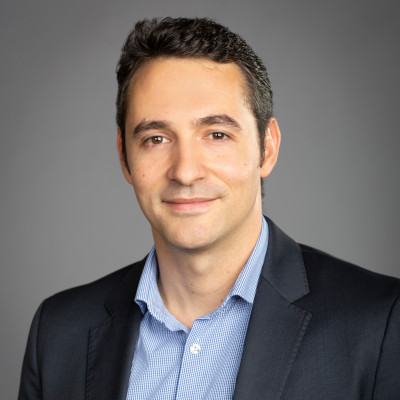
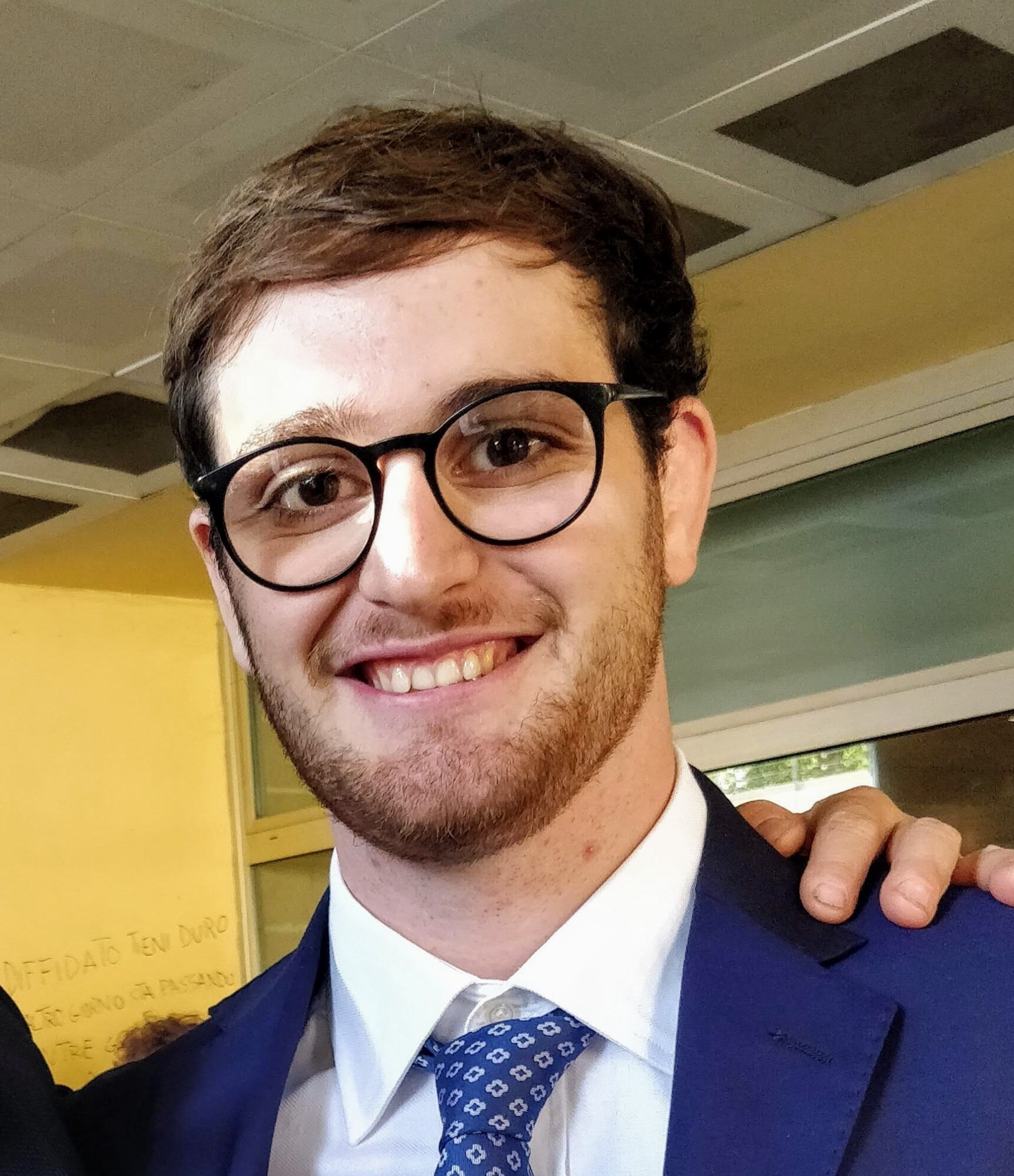
Kostas Alexis
Norwegian University of Science and Technology (NTNU)
Kostas Alexis is a Full Professor at NTNU, specializing in establishing true navigational and operational autonomy for robotics, particularly aerial systems. His work encompasses control, optimization, and path-planning, with a keen interest in designing novel aerial platforms.
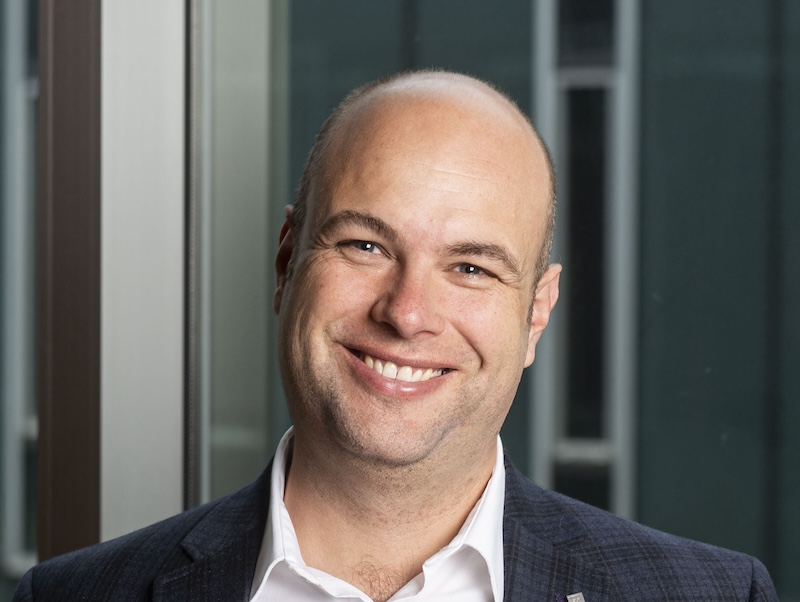
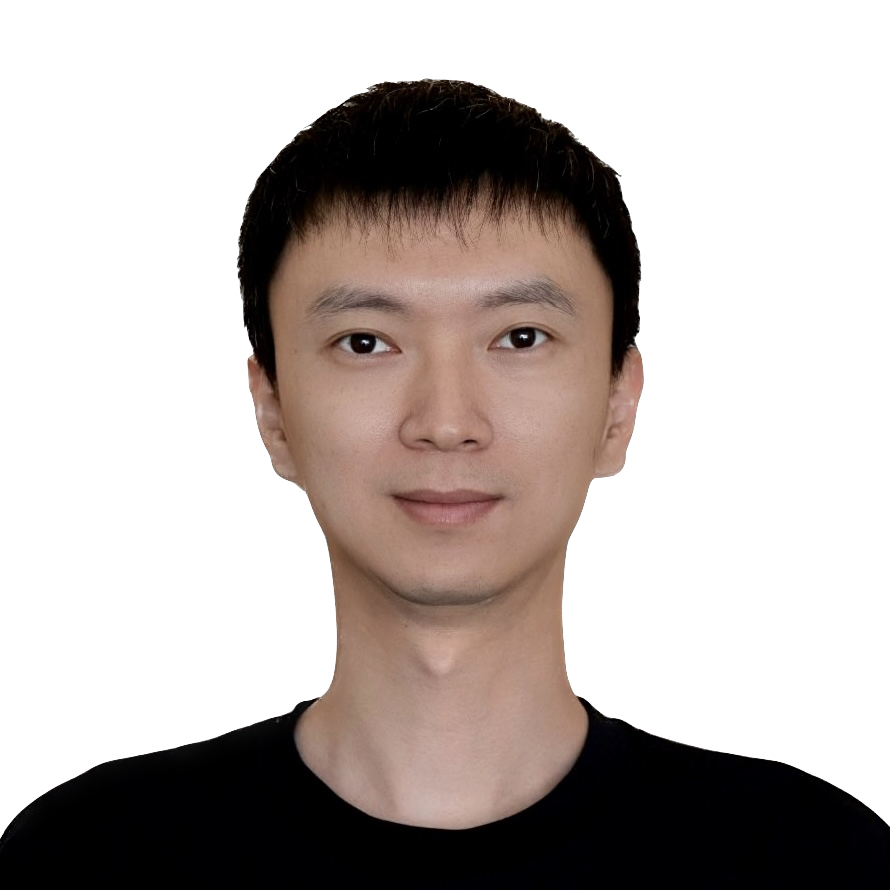
Sebastian Scherer
Carnegie Mellon University (CMU)
Sebastian Scherer is an Associate Research Professor at Carnegie Mellon University's Robotics Institute, dedicated to "resilient robotics" that enables safe and reliable autonomous robot operation in uncertain environments. He explores robust algorithms, systems, and continuous improvement methods, applying machine learning to perception, state estimation, and planning for various applications including subterranean exploration and autonomous flight.
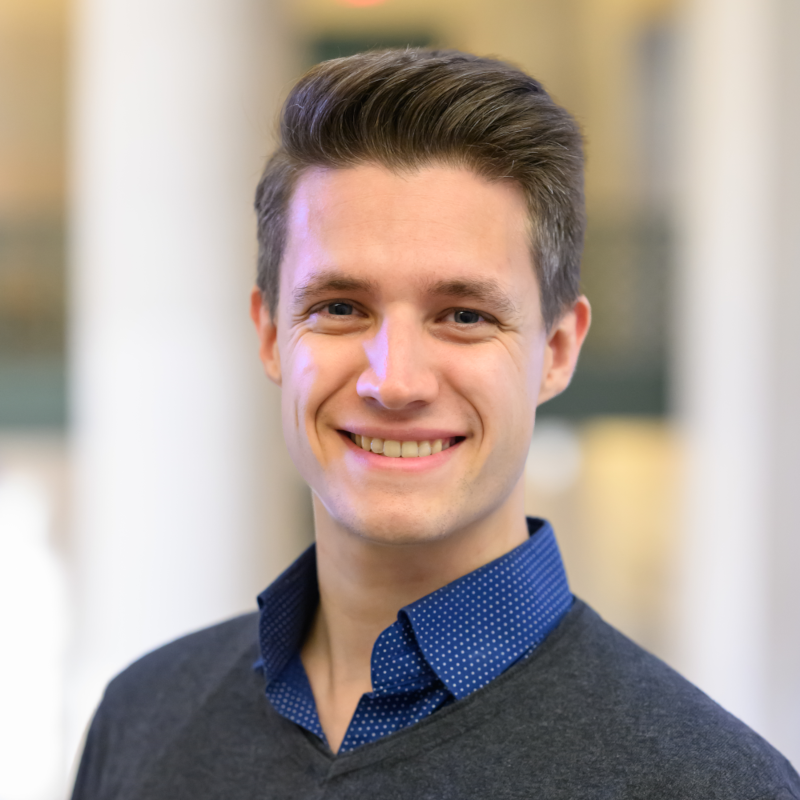
Lukas Rosenberger Schmid
Technische Universität Nürnberg (UTN)
Lukas Rosenberger Schmid (formerly Lukas Schmid) is a Tenure-Track Professor of Machine Intelligence at UTN. His research focuses on embodied spatio-temporal AI for human-centric robot autonomy. This includes research on scene representations and abstraction, on detection, prediction, and understanding of moving and changing entities, active perception and information gathering, as well as lifelong learning for continuous adaptation to the robot environment, embodiment, task, and human preference.
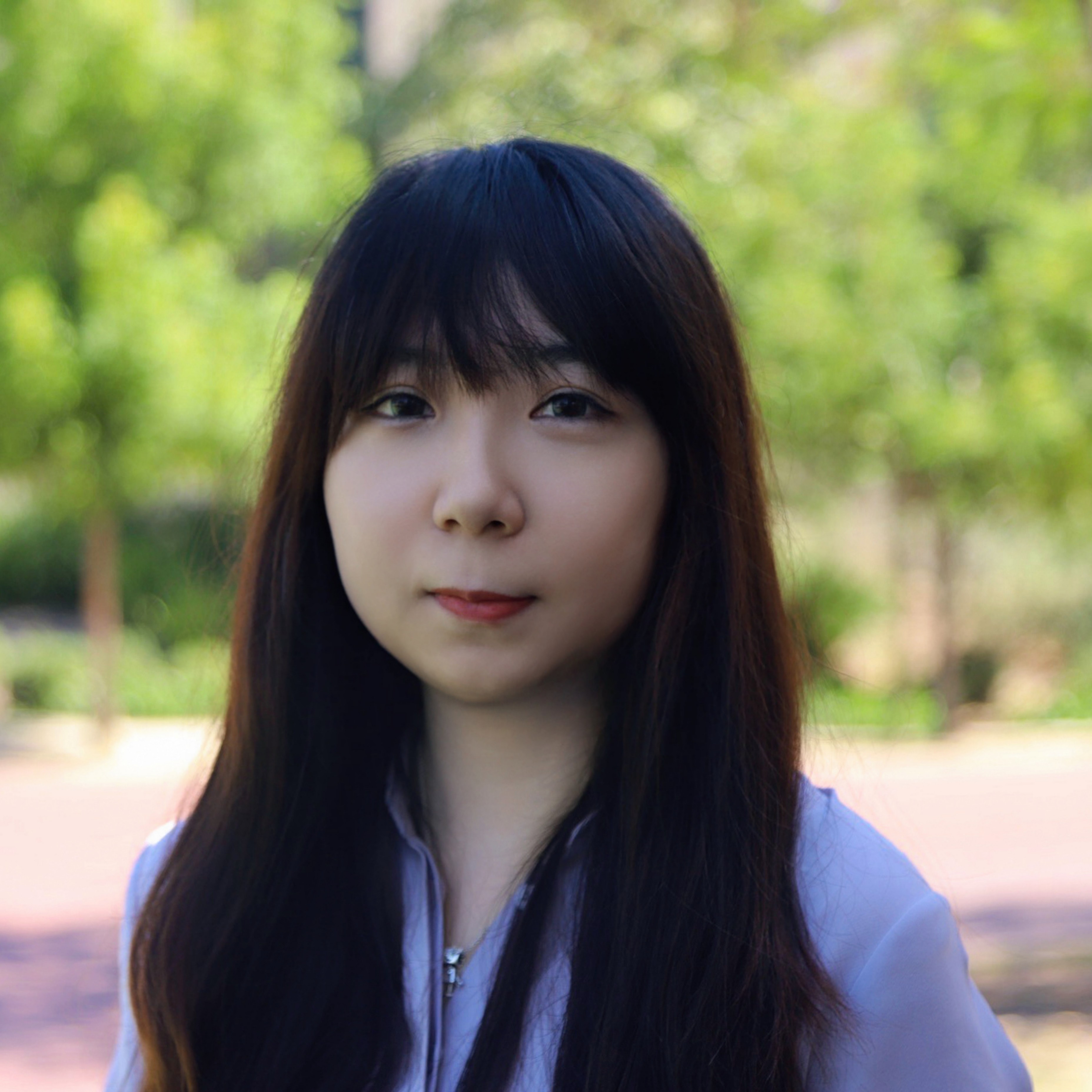
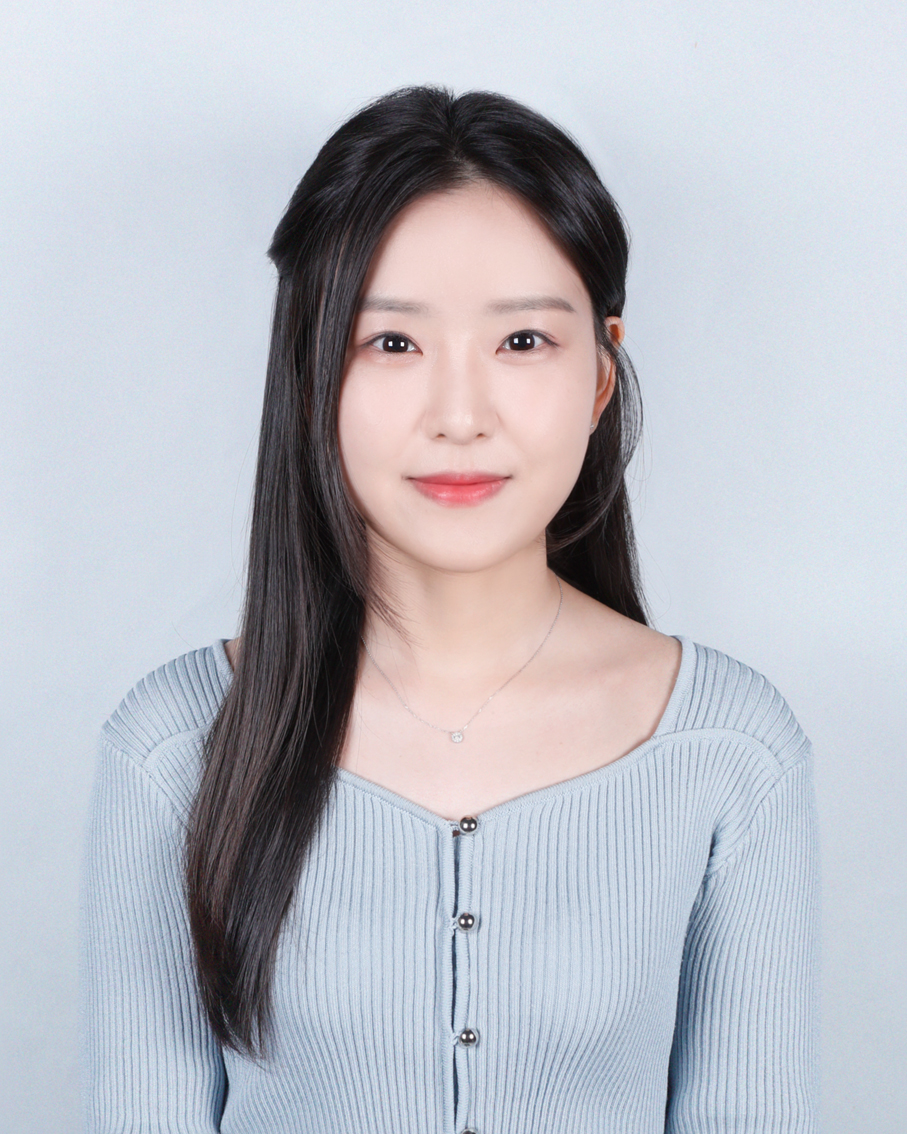
Lu Gan
Georgia Institute of Technology
Lu Gan is an Assistant Professor at Georgia Tech, leading the Lunar Lab and focusing on robotics, computer vision, and machine learning. His group develops autonomous systems for ground, air, and space applications, utilizing computer vision, machine learning, estimation, and probabilistic inference for robot perception, learning, and navigation.
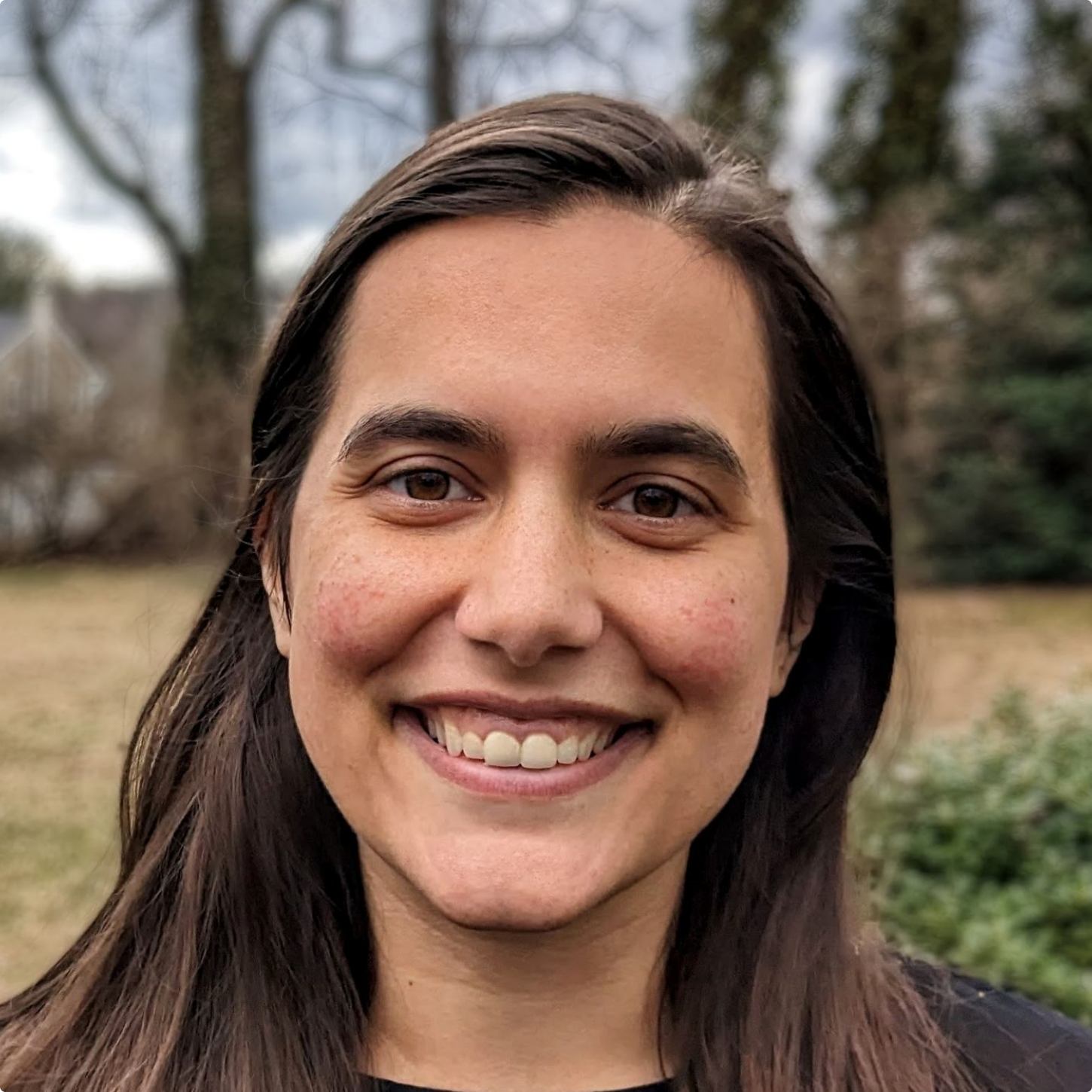
Bernadette Bucher
University of Michigan
Bernadette Bucher is an Assistant Professor in the Robotics and Computer Science and Engineering Departments at the University of Michigan. Her research integrates robotics, computer vision, and machine learning, with a focus on learning interpretable visual representations and estimating their uncertainty for autonomous mobile manipulation and scientific tasks.
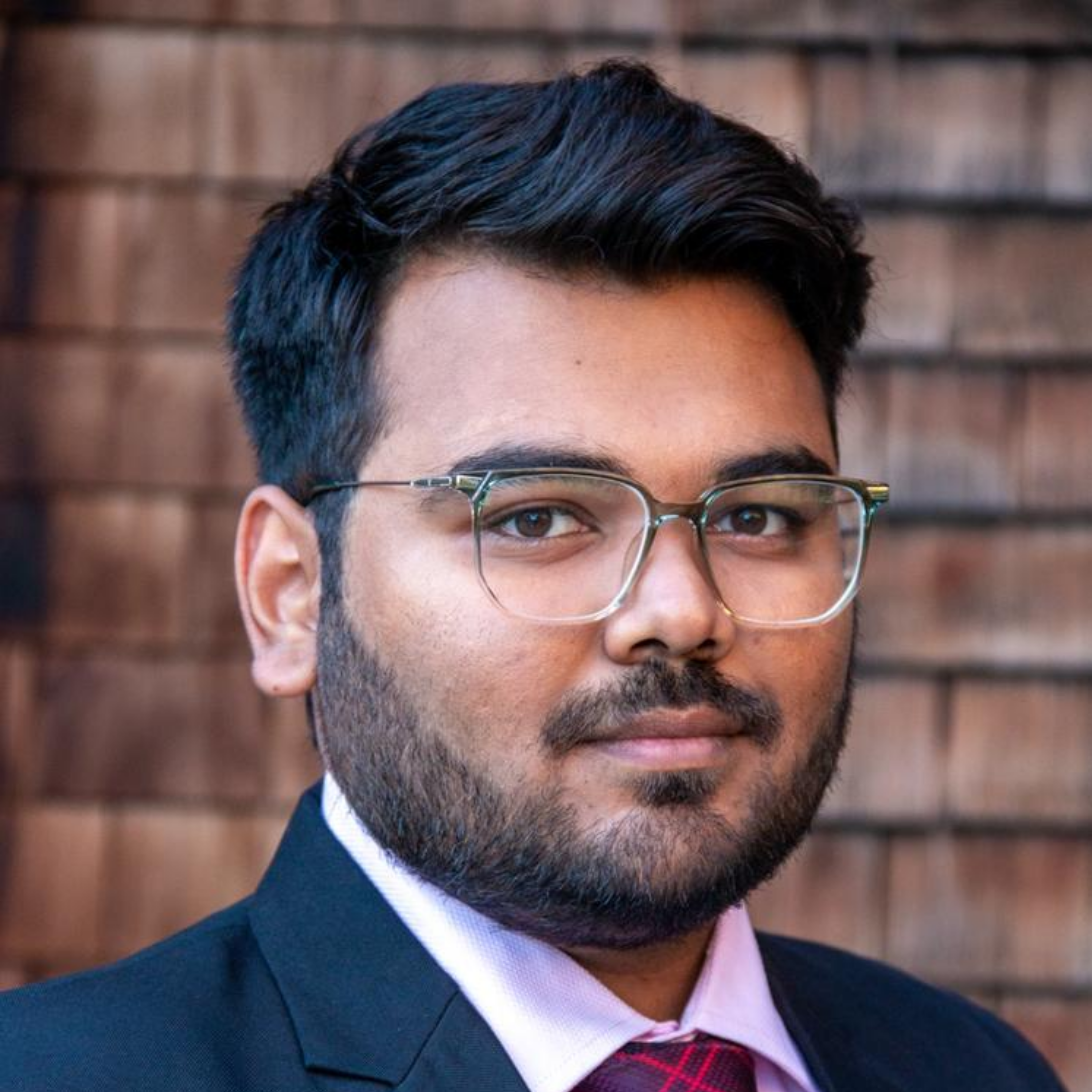
Dhruv Shah
Google DeepMind
Dhruv Shah is a Senior Research Scientist at Google DeepMind and an Assistant Professor at Princeton University, with a general interest in creating intelligent and reliable robotic systems for challenging environments. His work explores foundation models for robotics, large-scale robot learning, reinforcement learning, and human-robot interactions.